
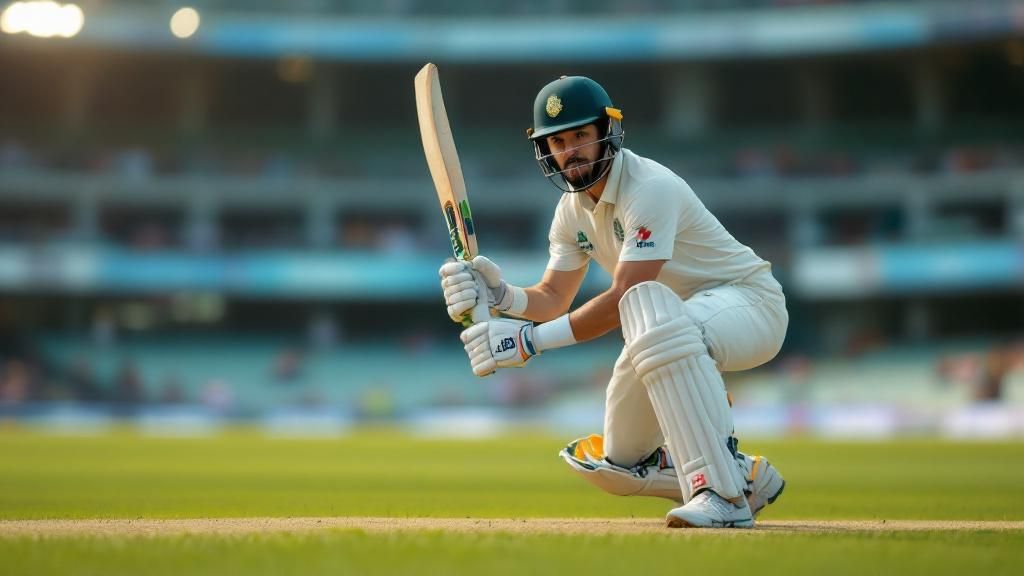
England opener Ben Duckett has committed to prioritising professionalism this summer after his conduct during the winter Ashes series in Australia came under scrutiny. The 31-year-old acknowledged that his behaviour did not meet the required standard following allegations of excessive drinking by players, especially during a break in the coastal town of Noosa. A video appeared on social media appearing to show Duckett intoxicated, adding to the disappointment of England’s 4-1 Test defeat. Despite the off-field controversy, Duckett has withdrawn from the Indian Premier League to focus on county cricket with Nottinghamshire, hoping to secure his place in the England side for the summer Tests against New Zealand commencing in June.
The Ashes Reckoning
England’s 4-1 loss in the Ashes was a bitter pill to swallow, but the cricket itself became secondary to the off-field controversy that engulfed the tour. The squad’s behaviour during a break in Noosa attracted significant scrutiny, with social media footage appearing to show players in various states of intoxication. Duckett was candid about his involvement in the affair, acknowledging that such conduct was unbecoming of a elite sportsperson. “If we’re victorious in that series, it’s probably not news and no one cares,” he reflected, acknowledging that loss had merely intensified the examination of the team’s discipline.
For Duckett, the winter constituted a perfect storm of personal and professional struggles. His performance with the bat declined significantly, accumulating just 202 runs across 10 Test innings at an mean of 20.20, with a maximum score of only 42. The combination of poor performances and negative press has left his England prospects in doubt. Yet the 31-year-old seems resolved to move forward. He has made significant sacrifices, such as stepping back from the IPL, to demonstrate his resolve to winning back England’s trust and recapturing his place in the Test squad.
- Duckett scored 202 runs in 10 Ashes Test innings at 20.20
- The opener struck only one half-century across 16 winter innings
- Video footage emerged showing Duckett in a drunken state
- He pulled out from IPL to concentrate on county cricket
Personal Responsibility and Past Errors
Duckett has been notably forthright about his struggles with professionalism throughout his international career. The 31-year-old recognised that upholding the expectations expected of a professional cricketer has not always come naturally to him, but he has consistently demonstrated a readiness to take responsibility when he has fallen short. “It’s not a secret that professionalism is something I’ve struggled with throughout my career,” he admitted, whilst emphasising his determination to improve. His openness suggests a player who understands the seriousness of his situation and appreciates that further lapses could prove terminal to his Test ambitions.
The critical juncture of Duckett’s dedication to enhanced rigour is crucial. At 31, he is keenly conscious that the mental and physical capacity for poor lifestyle choices declines with age. “At 26, 27 or 28 you can sidestep it,” he remarked, reflecting on his earlier years in the sport. “Whereas I’m obviously ageing now.” This recognition has solidified his resolve. By stepping back from the IPL and committing to domestic cricket, Duckett is demonstrating that his objectives have shifted decisively towards preserving his England career, even if it means forgoing considerable monetary benefits.
A Pattern of Behaviour
This is not Duckett’s first encounter with controversy regarding off-field conduct. During the 2017-18 Ashes series, when he was a member of the England Lions squad accompanying the main team, he famously poured a drink over the head of pace bowler James Anderson during an incident in a Perth bar. That incident, whilst fairly insignificant in the broader context of cricket misdemeanours, underscored a pattern of poor decision-making in social situations. The years that followed have done little to suggest the problem had been fully resolved, making the recent Noosa incident particularly frustrating for England’s leadership.
What sets apart Duckett’s current predicament is the public nature of the transgression and the when the tour’s difficulties. Had England won the Ashes convincingly, the Noosa footage might have attracted little more than a knowing smile from supporters. Instead, the combination of losing and disciplinary problems has created a story of a squad in turmoil. Duckett’s acknowledgment of this reality—that victories cover up issues—indicates he understands the fragile standing he now occupies and the necessity of concrete changes in conduct to satisfy selectors of his eligibility for tours ahead.
Strategic Moves for Summer Recruitment
Duckett’s choice to withdraw from the Indian Premier League represents a strategic move to showcase his commitment to England ahead of the summer Test series against New Zealand. Rather than chasing lucrative opportunities in franchise cricket, he has chosen to stay in the County Championship circuit with Nottinghamshire, a decision intended to catch the eye of selectors and develop his batting in familiar surroundings. This sacrifice of significant financial reward underscores the gravity with which he is approaching his rehabilitation, sending a clear message that international cricket is his priority.
The opener will shortly meet with England coach Brendon McCullum to discuss his pathway back into the Test side, though he is unsure of his status for the first match in June. His form statistics paint a concerning picture: just one fifty across 16 innings this winter, and a disappointing average of 20.20 during the Ashes with a highest score of 42. These numbers indicate that professionalism alone may not guarantee selection, and Duckett must couple his behavioural improvements with a marked improvement in on-field performance to convince the coaching staff of his readiness.
- Stepping back from IPL to concentrate on county cricket and England preparation
- Planning discussions with coach Brendon McCullum concerning selection chances
- Seeking to rebuild form through Nottinghamshire early County Championship matches
The Path to Recovery
Duckett’s admission that professionalism is an area he has “struggled with throughout my career” demonstrates a candid self-awareness that may prove crucial to his rehabilitation. The 31-year-old has a record of disciplinary lapses, most notably the infamous 2017-18 incident when he poured a drink over James Anderson’s head during an England Lions tour in Perth. Yet his willingness to “hold his hands up” when he transgresses suggests a ability to achieve growth and learning. This regret, coupled with tangible steps such as sacrificing IPL earnings, indicates Duckett is serious about addressing the behavioural shortcomings that have periodically undermined his international career.
The way ahead requires more than just saying sorry; it demands ongoing dedication to the expectations of an England international. Duckett’s focus on physical conditioning and psychological readiness demonstrates a comprehensive strategy to professionalism that surpasses preventing disciplinary issues. By emphasising the importance of being “in the right frame of mind,” he understands that sporting excellence and professional conduct are deeply intertwined. Positive results in the forthcoming season in county cricket, combined with clear progress in fitness and conduct, will deliver clear demonstration of his rehabilitation and bolster his case for return to the Test squad.
Age and Sport Requirements
At 31, Duckett is acutely aware that the bodily rigours of international cricket grow progressively demanding with age. He openly admitted that fluctuating fitness levels, once manageable in his mid-to-late twenties, are no longer tenable at his present point in his career. This shift in outlook suggests he understands that preserving elite fitness levels is not merely preferable but essential for extending his England career. By focusing on fitness and professional standards now, Duckett hopes to prolong his international involvement on his own terms rather than seeing it cut short by injury or loss of form.
