
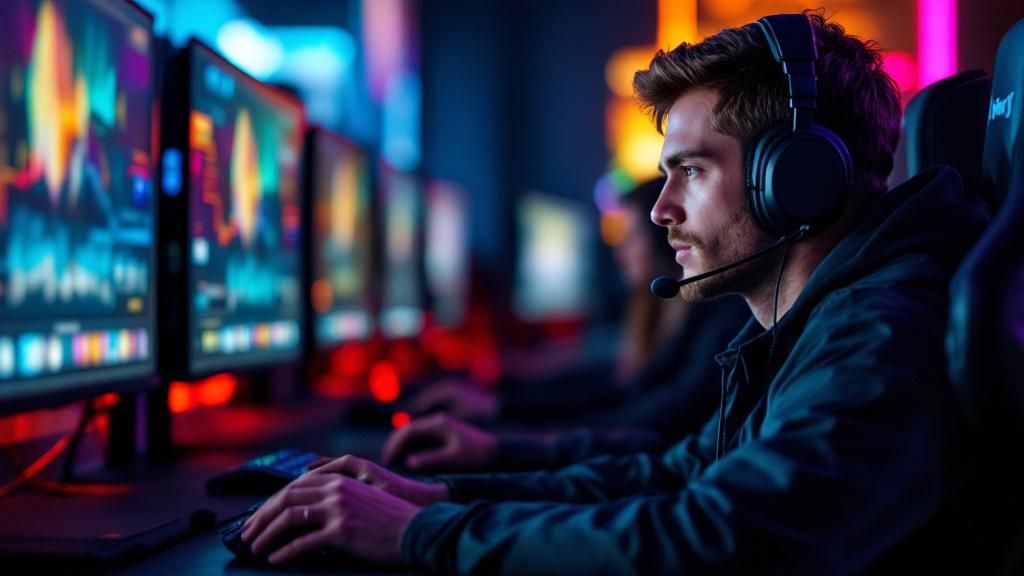
The professional gaming industry has undergone a remarkable transformation, with elite esports organisations now prioritising mental health support as increasingly. Recognising that competitive strain, exhausting timetables, and relentless pressure can take a significant psychological toll, top organisations are investing substantial resources into extensive wellbeing initiatives. From qualified psychological experts to counselling services and stress management workshops, these initiatives reflect a fundamental shift in how the industry addresses competitor welfare, dismantling persistent taboos and creating improved expectations for player support.
The Increasing Importance of Psychological Wellbeing in Esports
The professional gaming landscape has undergone a significant change in the past few years, with psychological wellbeing emerging as a key priority for top-tier teams. As competitive esports expands exponentially, the psychological demands imposed on players have become increasingly apparent. Leading organisations now acknowledge that sustained performance requires robust mental wellbeing support, going past conventional fitness regimens to address the mental and emotional pressures inherent in high-stakes competition.
This progression demonstrates a broader shift in attitudes across the industry, where acknowledging psychological difficulties is no more viewed a shortcoming but rather an vital element of professional excellence. Players experience unrelenting strain from tournaments, commercial commitments, and media attention, often whilst maintaining demanding training schedules. By prioritising mental health support services, innovative institutions are not only protecting their athletes’ mental health but also boosting organisational performance and encouraging more sustainable and healthier professional paths across competitive gaming.
Full-scale Support Structures and Provisions
Professional gaming organisations have created integrated support frameworks that surpass standard sports psychology. Many teams now employ dedicated mental health experts, such as certified counsellors, psychiatrists, and fitness and wellness coaches who engage with players across the competitive season. These specialists deliver individualised counselling sessions, CBT interventions, and tailored coping techniques tailored to each player’s specific needs and situations.
Beyond individual therapy, prominent esports teams have implemented extensive wellbeing initiatives encompassing mindfulness practices, nutritional guidance, exercise programmes, and rest optimisation methods. Teams acknowledge that mental health support necessitates a holistic approach, merging physical wellbeing with therapeutic support. Additionally, many organisations deliver peer support groups, collaborative exercises, and educational workshops addressing preventing burnout, anxiety management, and constructive coping techniques, fostering a culture where asking for support is normalised and encouraged and encouraged.
Challenges and Future Developments
Despite significant progress, professional gaming teams still encounter significant obstacles in establishing extensive mental health support. Many smaller-scale organisations are without the financial resources to engage dedicated psychologists or counsellors, creating disparities in standard of care across the industry. Additionally, some players are hesitant to access support due to persistent stigma within gaming culture, whilst others grapple with privacy concerns regarding private mental health information. These barriers demand sustained promotion and industry-level standards to secure fair access to support services for all competitive players.
The emerging landscape of mental health provision in esports appears increasingly promising, with emerging technologies delivering cutting-edge approaches. Virtual reality therapy, AI-powered psychological wellbeing tools, and digital support networks are broadening access beyond traditional counselling methods. Additionally, awareness programmes targeting young players aim to normalise discussions around psychological wellbeing from the outset of their professional journeys. As the sector develops, introducing professional accreditations for esports psychologists and creating research-backed best practices will probably establish themselves as accepted norms, strengthening the comprehensive support structure for player wellbeing.
Going forward, collaboration between gaming organisations, mental health professionals, and regulatory bodies will be crucial for long-term advancement. Investment in longitudinal research examining the impact of current interventions will inform future programme development. Furthermore, fostering open dialogue between players, coaches, and management teams can establish nurturing settings where mental health concerns are tackled in advance rather than reactively. Ultimately, placing mental health first alongside sporting achievement will establish esports as a genuinely progressive industry that champions comprehensive player development.
